As digital technology becomes increasingly integrated into daily life, maintaining strong cybersecurity habits has become essential for individuals and businesses alike. From online banking and social media communication to digital shopping and remote work, internet users rely heavily on connected devices to manage their personal and professional activities.
However, this growing dependence on digital systems has also created opportunities for cybercriminals to exploit weak security practices. Cyber hygiene refers to the routine steps individuals take to protect their devices, accounts, and personal data from cyber threats.
Cybersecurity experts emphasize that many cyber incidents occur not because of sophisticated hacking techniques but due to simple mistakes such as weak passwords, outdated software, or careless handling of personal information.
Authorities associated with Cyberabad Police encourage citizens to adopt good cyber hygiene practices to reduce the risk of cybercrime.
Understanding the Importance of Cyber Hygiene
Cyber hygiene involves maintaining basic security practices that help safeguard digital systems from unauthorized access. Just as personal hygiene helps prevent illness, cyber hygiene helps prevent cyber attacks and data breaches.
Many cybercriminals rely on simple techniques such as phishing emails, password guessing, or malware infections to gain access to accounts and devices.
By following basic cybersecurity practices, individuals can significantly reduce the chances of becoming victims of online fraud.
Creating Strong Passwords
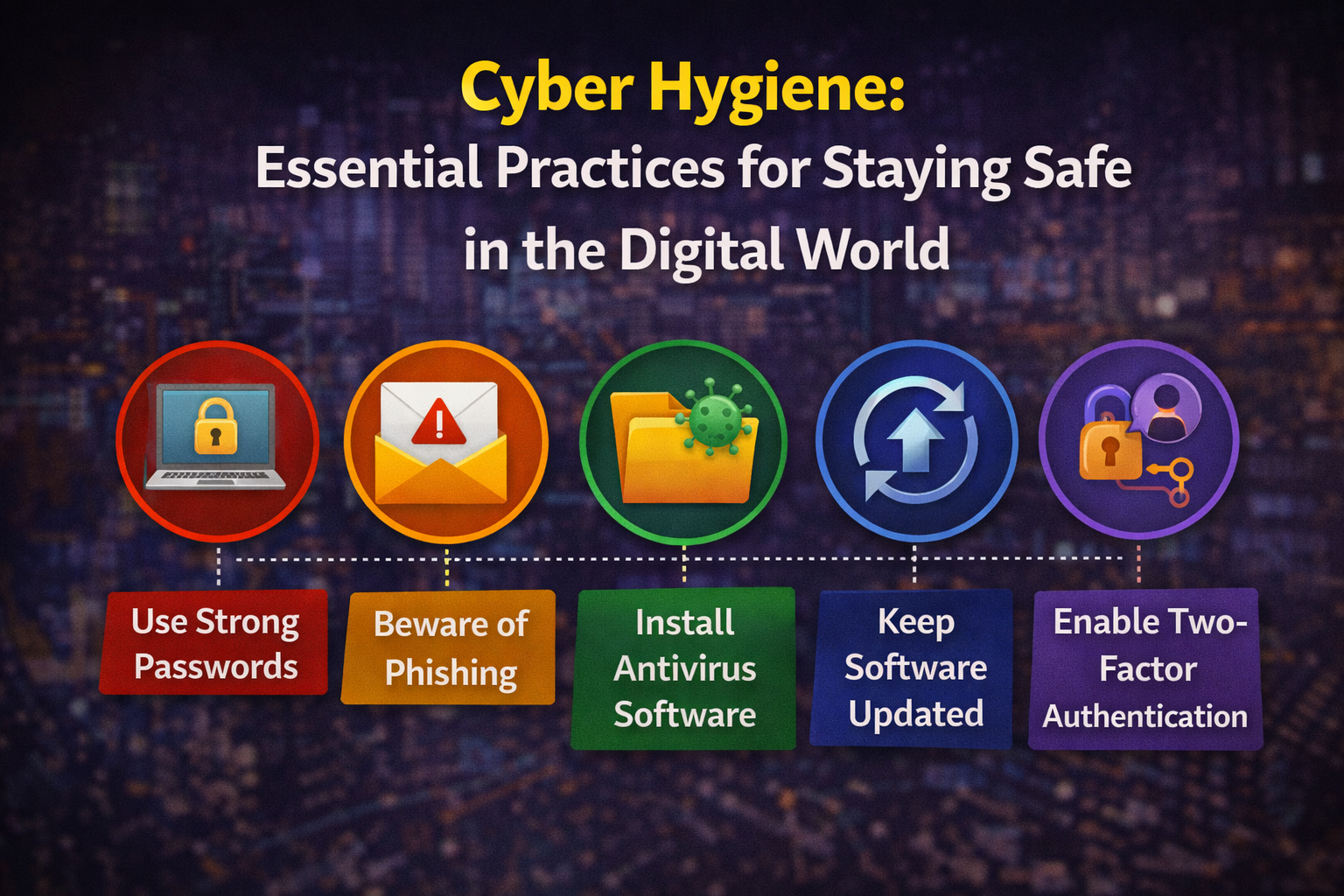
One of the most important aspects of cyber hygiene is using strong and unique passwords for each online account.
Passwords should combine uppercase and lowercase letters, numbers, and special characters. Avoid using easily guessed information such as birthdays, phone numbers, or common words.
Using the same password across multiple websites increases the risk of account compromise if one platform experiences a security breach.
Password managers can help users securely store and manage complex passwords.
Enabling Two-Factor Authentication
Two-factor authentication (2FA) adds an additional layer of protection by requiring a second verification step when logging into an account.
This usually involves entering a one-time password sent to the user’s phone or generated through an authentication application.
Even if a cybercriminal obtains a password, two-factor authentication can prevent unauthorized access to the account.
Keeping Devices and Software Updated
Software updates often include security patches designed to fix vulnerabilities that could be exploited by hackers.
Users should ensure that operating systems, mobile applications, and antivirus software are regularly updated.
Automatic updates can help maintain device security without requiring manual intervention.
Protecting Personal Information Online
Sharing excessive personal information online can increase the risk of identity theft and targeted scams.
Users should review privacy settings on social media platforms and avoid publicly sharing sensitive details such as addresses, financial information, or identification numbers.
When providing personal information on websites, it is important to verify that the site is legitimate and uses secure encryption.
Monitoring Financial Accounts
Regularly checking bank statements and enabling transaction alerts can help detect fraudulent activity quickly.
If suspicious transactions are noticed, customers should contact their bank immediately to secure their accounts.
Prompt reporting increases the chances of recovering lost funds and preventing further unauthorized activity.
Authorities associated with Hyderabad City Police encourage individuals to report cyber incidents and suspicious online activities so investigators can track emerging threats.
Building a Culture of Cyber Awareness
Cybersecurity is not only the responsibility of governments and technology companies. Individuals also play a critical role in maintaining digital safety.
By adopting responsible online habits and staying informed about cyber threats, internet users can significantly reduce their exposure to cybercrime.
Hyderabad Crime Reporter will continue publishing cyber safety guidance and awareness articles to help readers navigate the digital world safely.
